Unwind Under Gentle, Thoughtful Light

Let’s slow the evening down together. Today, we explore Sensory Lighting Strategies for Stress-Free Evenings, translating science and design into simple rituals that soften edges, quiet racing thoughts, and signal your body to release the day. Expect practical steps, cozy inspiration, and tiny adjustments that bring outsized calm without renovating your entire space.

Evening Calm Starts With Your Nervous System
Stress rarely dissolves on command; your nervous system needs clear, compassionate cues. Light provides those cues through brightness, color, direction, and rhythm. By easing intensity and warming color through dusk, you encourage parasympathetic rest, reduce cognitive load, and create a reliable glide path from alertness to comfort that welcomes real restoration.

Layering Light Like a Cozy Soundtrack
Ambient Glow That Sets the Scene

Build an ambient base with shaded floor lamps, wall washers, or cove lighting that reflects off surfaces rather than aiming into eyes. Evenness reduces squinting and mental fatigue. Use warm bulbs, dimmers, and indirect angles to create a visually safe horizon, letting corners soften and shadows melt into a reassuring, welcoming evening envelope.

Task Light That Respects Relaxation

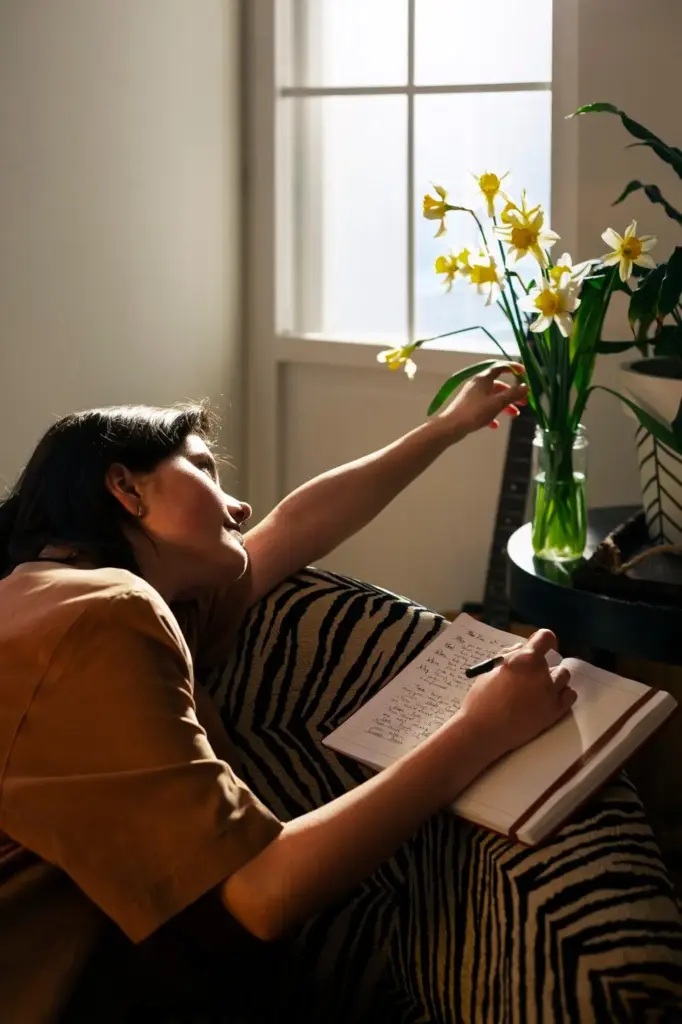
For reading, knitting, or journaling, add focused task lights at lower heights with shades or frosted diffusers. Aim beams onto pages, not faces. Keep brightness adjustable and color consistently warm. You want clarity without glare, so the rest of the room can remain calm while your attention stays grounded, steady, and pleasantly engaged.

Accents That Invite Presence

A small table lamp by houseplants, a soft LED strip behind shelves, or a picture light over art can draw attention gently, encouraging presence and gratitude. Accents add emotional punctuation, not brightness. Choose two or three points, dim them low, and notice how conversation naturally gathers where the glow feels kindest and most human.

Dimming, Timing, and Smart Routines That Actually Stick

Consistency is everything. Use dimmers or smart bulbs to schedule gentle fades that begin before you feel frazzled. Automation removes willpower from the equation, making good choices effortless. Start with one room, one routine, and refine weekly. The goal: easy, repeatable cues that your body learns to trust and follow toward genuine unwinding.

Materials, Shades, and Surfaces That Tame Glare

Glare quietly amplifies stress. Choose woven or opal diffusers, matte finishes, and fabric or paper shades to soften brightness. Aim light across walls, not directly at faces. Mind reflective countertops and glossy tiles. By sculpting the path of light, you shrink visual noise, conserve energy, and unlock genuine comfort from even modest fixtures.

Diffusers That Feel Like Candlelight

Opal glass, rice paper, and linen shades scatter photons into a gentle halo reminiscent of flame. This softness reduces hard edge contrast that tires eyes at night. If a bulb is visible, use lower output or frosted forms. The result: glow you feel, not a dot that demands constant attention and blinking.

Bounce, Don’t Blast

Aim lamps toward walls or ceilings so surfaces become luminous partners. Bounced light expands perceived space while lowering hotspots. This reduces squinting and shadows under eyes, making faces look kinder in mirrors and conversation. A simple swivel or reposition can transform harsh illumination into a comfortable wash that encourages slower, deeper breathing effortlessly.

Taming Shiny Surfaces

Highly polished counters, frames, and tiles bounce little suns into your field of view. Introduce runners, mats, or matte trays where reflections are worst, and turn fixtures slightly off-axis. If renovating, choose eggshell or matte paints. Small adjustments dramatically cut sparkle noise, helping your mind release vigilance and settle into restorative ease.

Multi-Sensory Pairings for Deeper Ease
Light works beautifully with scent, sound, movement, and touch. Combine warm glow with quiet playlists, herbal aromas, breathable textiles, or slow stretches. These simple pairings engage multiple senses, thickening the feeling of safety and belonging. A few consistent anchors each evening can become cherished rituals that reliably dissolve leftover tension without effort.

Breathwork by Lamplight

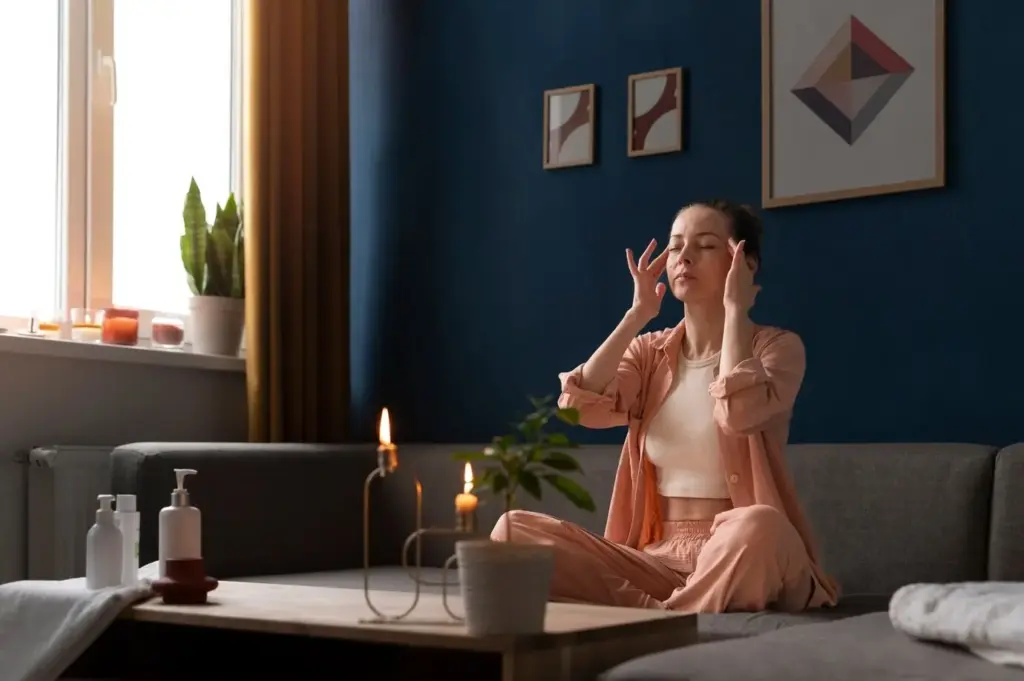
Dim to a low, amber glow and try a four-count inhale, six-count exhale for five minutes. The soft light narrows visual input while pacing breath. If attention drifts, gently scan the warm edges of a lampshade. Over time, this pairing becomes a dependable bridge into calmer, kinder conversations with yourself and others.

Aromas That Signal ‘Now We Rest’

Choose one scent for evenings—lavender, bergamot, or cedar—and reserve it exclusively for wind-down. Diffuse at low output under warm light so the association stays gentle, never overwhelming. That consistent pairing becomes a shortcut for your brain, preloading calm before you even notice, especially helpful after hectic days, late emails, or difficult commutes.

Real Rooms, Real Evenings: Field Notes
Stories clarify what checklists cannot. These snapshots show how small, affordable changes create big relief in different homes. Notice the gentle layering, the respectful dimming, and the way routines foster cooperation. Share what works for you, subscribe for fresh ideas, and let us celebrate evenings that feel human, grounded, and genuinely restful.
One floor lamp with a linen shade, a clip-on reading light, and a warm LED strip behind a bookshelf replaced a brutal ceiling fixture. A 30-minute nightly fade shifted mood from scattered to centered. The space felt bigger, kinder, and suddenly perfect for quiet tea and a short journal entry before sleep arrived gently.
Parents set three scenes: Homework, Dinner, and Wind-Down. Dimmers step from bright but focused to warm ambient with two accent lamps. Kids press one button and the house changes vibe. Fewer negotiations, calmer voices, easier bedtime. The rhythm taught everyone that rest is built, not forced, and light became the family’s friend again.
A desk task light now turns off at seven, triggering a wall-wash lamp at low amber. Glare from the monitor is replaced by a framed-print picture light. The room stops whispering about unfinished tasks and starts suggesting a book. Stress doesn’t vanish, but it loosens, and sleep arrives earlier, steadier, and more refreshing.
Mupixapuxilokupixe
Privacy Overview

This website uses cookies so that we can provide you with the best user experience possible. Cookie information is stored in your browser and performs functions such as recognising you when you return to our website and helping our team to understand which sections of the website you find most interesting and useful.