Gentle Starts: Designing Mornings That Glide
Today we explore Designing Morning Rituals: Layouts and Objects that Ease Daily Transitions, translating research and lived experience into graceful, repeatable flows. Expect practical layouts, tactile prompts, and sensory cues that reduce friction without stealing spontaneity. By layering small, humane details into space and sequence, mornings shift from scramble to glide, helping you step into your day calm, prepared, and genuinely present. Share your approach and subscribe for experiments that make each dawn feel kinder and more intentional.

Mapping the First Steps from Bed to Daylight
Your body wakes before your mind catches up, so the first meters matter. Design a predictable path from pillow to sink to sunlight, minimizing decision points and visual noise. Thoughtful placement of slippers, switches, and curtains builds momentum, while gentle light gradients invite clarity without shock. Share your first-steps map below.
Objects that Nudge, Not Nag
Helpful objects whisper intentions rather than shout tasks. Select forms and materials that invite touch and clarify next steps without guilt. A soft carafe, a weighted bookmark, or a magnetic catch at the entry transforms hesitation into motion. Gentle persuasion beats alarms and sticky notes every single time.
Quiet Corridors and Buffer Zones
Place rugs, felt pads, and soft-close hardware along early routes. If doors meet, install stops to prevent bangs. A shallow bench outside the bedroom becomes a staging area for shoes and bags, keeping sleepers undisturbed while movers prepare deliberately, silently, and on schedule.
Two-Sink Miracles and Micro-Stations
Where a second sink is impossible, create micro-stations: a mirror shelf with cup, floss, and travel-size paste; a portable caddy for shaving; a folding vanity near a window. Duplicating bottleneck tools decentralizes the rush, enabling overlapping routines without elbows or sighs.
Respectful Rhythms: Signals and Agreements
Small signals reduce negotiation costs. A door magnet flipped to sunrise side says bathroom is in use. A lamp color indicates coffee station readiness. Weekly five-minute check-ins adjust flows. Agreements transform conflict into choreography, keeping love intact during the least forgiving minutes of the day.
Layouts for Shared Spaces and Conflicting Timetables
In households with different start times, design prevents friction. Separate loud and quiet functions, buffer traffic near doors, and assign clear surfaces for each person’s kit. Mirrors placed strategically expand capacity without arguments. Thoughtful zoning turns peak minutes into parallel play, preserving kindness when minutes are scarce.
Designing with Time: Micro-Rituals and Cadence
Morning energy is finite, so choreograph beats that build rather than deplete. Use two-minute wins to generate momentum and place reflective moments precisely where they refresh. Design a cadence you can keep even on late nights, travel days, or storms that scramble predictable light and mood.
Materials, Textures, and Maintenance
Comfort must survive spilled toothpaste and wet footprints. Choose finishes that clean easily, hold warmth, and signal direction through touch. Materials teach behavior: ribbed mats guide feet, matte ceramics resist sticky glare, linen towels dry quickly. Maintenance-friendly choices preserve grace under real-life conditions, day after day.

Warm Underfoot, Easy Underhand
Cork, rubber, or wool runners provide quiet traction and morning warmth, reducing startle reflex. Rounded handles greet sleepy hands safely. Keep cloths near splash zones and choose fixtures that wipe clean in two motions. When care is simple, your routine stays beautiful even when rushed.

Low-Maintenance Surfaces that Stay Honest
Look for materials that celebrate patina rather than punish use. Brushed stainless, oiled wood, and honed stone absorb fingerprints gracefully. Seal what needs protection and leave what can breathe. Honest surfaces encourage steady tidying, rewarding attention with calm, not anxiety about inevitable smudges or small scuffs.
Personal Stories and Prototypes
Design sharpens when tested by real mornings. Here are field notes and experiments showing how small spatial tweaks and gentle objects changed outcomes. Borrow, adapt, and report back. Your iterations enrich everyone. Comment with your adjustments and subscribe for future experiments and blueprint prompts shaped by readers.

A Nurse's 5 A.M. Flow
Rotating shifts once wrecked sleep. She mapped a silent route, staged uniform and badge on a rail hook, and set a sunrise bulb for 4:35 softness. An hourglass on the counter kept pace. Result: steadier pulse, calmer departures, and fewer forgotten lunches on foggy starts.

Small Studio, Big Mornings
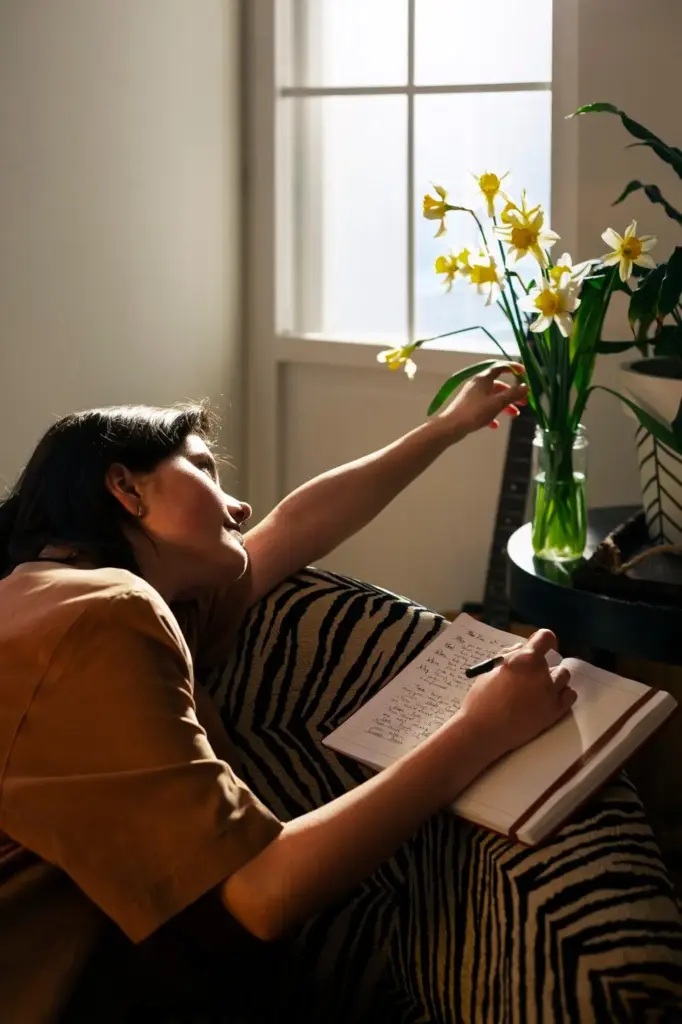
In a 28-square-meter studio, a folding screen created a dawn-only zone with chair, kettle, and notebook. A tray carried the kit to the window. The bedroom stayed dark for a night-shift partner, while the sunrise corner delivered focus without resentment, clutter, or complaints.

Parenting the Transition
Two kids, one bathroom, endless negotiations. A sticker timeline by the door paired with a portable caddy shifted chaos into collaboration. Each child flipped a token when finished. Parents reclaimed ten minutes for coffee together, recentering the day before carpools, emails, and the relentless school bell.
All Rights Reserved.